Ancient Beauty Rituals
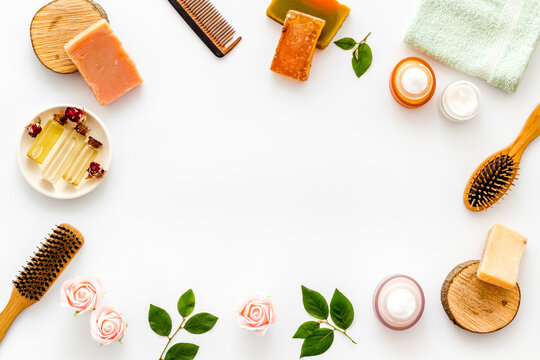
The journey of beauty products begins in the ancient world, where natural ingredients were central to daily beauty routines. Ancient Egyptians were pioneers in this realm, using ingredients like honey, milk, and essential oils. Cleopatra, the queen of beauty in ancient Egypt, is renowned for her use of milk baths enriched with honey and almond oil, believed to rejuvenate and soften the skin. Similarly, the Greeks and Romans incorporated olive oil, known for its moisturizing properties, into their skincare rituals. They also utilized natural herbs and botanicals, such as rosewater and lavender, for their soothing and aromatic benefits. These early practices not only highlight the importance of natural ingredients but also reflect a deep connection between beauty and wellness.
The Rise of Modern Cosmetics
The 20th century marked a transformative period in the beauty industry, with the rise of modern cosmetics and innovative formulations. The 1920s saw the emergence of bold makeup looks, a trend popularized by the flapper culture. The introduction of products like bright red lipstick and lengthening mascara allowed women to express themselves in new and dramatic ways. In the 20th century, with the rise of modern cosmetics, the market for Beauty Products UAE experienced a dramatic transformation, offering a diverse array of innovative and high-quality products that catered to evolving beauty standards and preferences. The 1950s and 1960s brought a new focus on skincare with the launch of high-quality cleansers, moisturizers, and sunscreens. This era also saw the development of iconic beauty products such as foundation and concealer in various shades, addressing the need for products tailored to different skin tones.
The Boom of Beauty Innovations
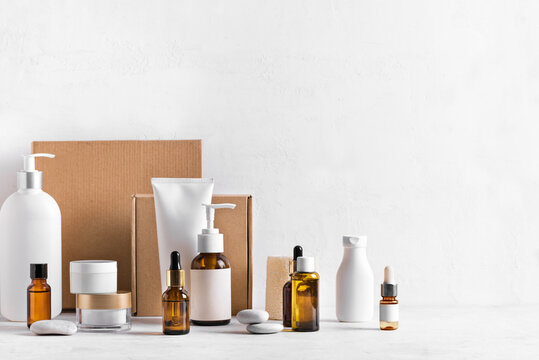
As the beauty industry progressed, the latter half of the 20th century witnessed a surge in product innovations. The 1970s and 1980s introduced multi-functional beauty products, such as tinted moisturizers and lip-and-cheek stains, designed to streamline beauty routines. The advent of new technologies allowed for the creation of long-lasting formulas and advanced delivery systems. The development of waterproof mascara and long-wear lipsticks reflected the growing demand for durability and convenience. Furthermore, the 1990s and early 2000s saw the rise of niche and luxury beauty brands, which catered to consumers seeking high-performance and exclusive products.
The Emergence of Natural and Organic Products
The turn of the millennium brought a significant shift towards natural and organic beauty products. Growing awareness of the potential harmful effects of synthetic chemicals led to a demand for safer and more environmentally friendly options. Consumers began to scrutinize ingredient lists, leading to the emergence of clean beauty brands committed to transparency and sustainability. Ingredients like aloe vera, shea butter, and essential oils gained popularity for their beneficial properties. The rise of eco-friendly packaging, such as biodegradable containers and refillable bottles, reflected a broader movement towards reducing environmental impact.
The Influence of Digital Technology
In recent years, the beauty industry has been revolutionized by digital technology. Virtual try-on tools, powered by augmented reality (AR), allow consumers to experiment with different looks and shades from the comfort of their homes. AI-driven algorithms provide personalized product recommendations based on individual skin types and preferences. Social media platforms, especially Instagram and TikTok, have become influential in shaping beauty trends and launching new products. Beauty influencers and bloggers share their experiences and reviews, driving consumer interest and engagement. The ability to connect with brands directly and access real-time feedback has transformed the way beauty products are marketed and consumed.
The Future of Beauty Products
Looking to the future, the beauty industry is poised for continued innovation and transformation. Personalization is set to become a major trend, with advancements in technology enabling bespoke skincare solutions based on genetic analysis and skin assessments. Brands are investing in research to develop products that cater to specific skin concerns and preferences. The emphasis on sustainability is expected to grow, with a focus on reducing waste, using renewable resources, and adopting ethical practices. Innovations such as lab-grown ingredients and eco-friendly packaging are likely to become more prevalent.
Additionally, the beauty industry is increasingly embracing diversity and inclusivity, with a growing range of products designed to meet the needs of different skin tones, types, and ages. This shift towards inclusivity reflects a broader cultural movement towards celebrating individuality and promoting self-expression.
In conclusion, the evolution of beauty products is a testament to the industry’s ability to adapt and innovate. From ancient remedies to cutting-edge technologies, beauty products have continuously evolved to meet the changing needs and preferences of consumers. As we look to the future, the beauty industry will undoubtedly continue to evolve, driven by advancements in technology, a commitment to sustainability, and a focus on inclusivity.